Workplace Wellbeing Toolkit
Reduce absenteeism and improve productivity at work.
Date: 18 September 2026 Author: Bethany Brown
We often talk about making physical activity more welcoming by understanding what people need to take part. We flipped this principle inwards - if we want to work well as a team, we first need to understand each other.
National Inclusion Week is a great time to talk about inclusion, but creating an inclusive workplace requires action all year round so that every meeting or project is set up so that everyone in a team can thrive.
We wanted to share what we’ve been doing to encourage other organisations across Hampshire and Isle of Wight to ‘start somewhere and follow it anywhere.’
We have welcomed a few new team members recently, so we felt it important to create time to get acquainted both personally and professionally.
Before the session, we shared an anonymous survey with the team to gauge our priorities and inform what point we were starting at. Inclusion as a concept is for all, but practice is tailored. This would also help us understand whether the session we designed achieved what we wanted it to.
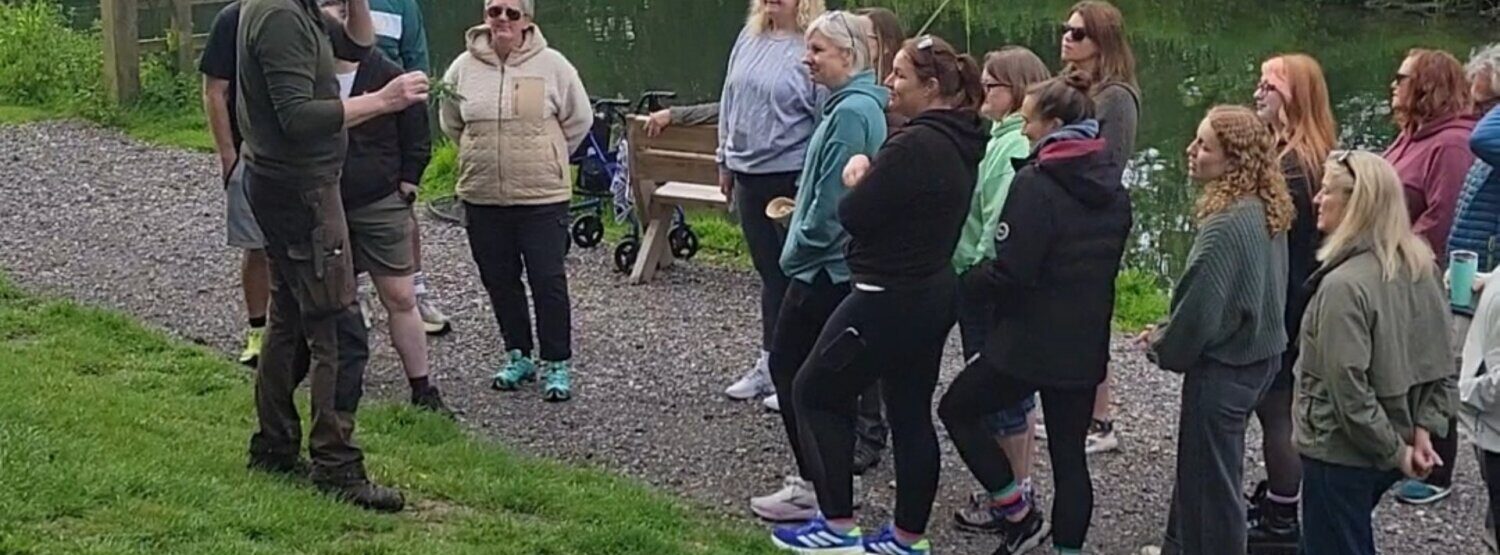
We held (what we called) an ‘Activity Hour’ where we set out to learn more about each other, understand what people were working on and how we prefer to collaborate, exploring learning styles and communication preferences.
When joining a new team, figuring out who to turn to for what can be rather challenging. And on top of that remembering everyone’s learning styles or communication preferences… it was a big ask. We thought: there must be something we can do to address this, but what?
Well, we created ‘Team Profiles’. Which are now an online and printed document that people can use at any time to refresh their knowledge on a team member. Each team member personalised theirs with a photo and information about themselves and their role – and we have learnt a lot about each other. One of our team members has a PhD in Rock which we didn’t realise! Others felt comfortable sharing about neurodiversity needs
We knew a one-hour session wasn’t going to change everything, but our follow-up survey showed people felt like they had a better understanding of each other.
Feedback also highlighted how the team profiles were being used. One team member said that seeing colleagues talk openly about neurodiversity needs made them feel more comfortable talking about their own.
The discussions we had also prompted wider reflection on how we do things. In one example, a decision not to print a resource was reconsidered after reflecting on the different needs and preferences that existed within the team.
If you’re thinking about doing something similar in your organisation, don’t let it become complicated. Just start with the same question we did: do you understand your colleagues needs? If not, what do you need to say yes?
Remember:
We say this often when talking about physical activity – that every step matters no matter how small. And that is true here too. Sometimes just giving people the opportunity to say ‘this helps me work well’ makes it possible for people to feel like they can do their best work.
We’d love to know what you’ve been doing within your workforce to build a more inclusive culture. Share an update using our We Can Be Active Wins form.
You can also join the county-wide Equality, Diversity and Inclusion group to meet others, discuss real-life scenarios and support each other through experience and training.
Helping us tackle inactivity to boost health and happiness