Active Learning
Active learning can help bring any subject to life.

Date: 16 November 2026 Author: Bethany Brown
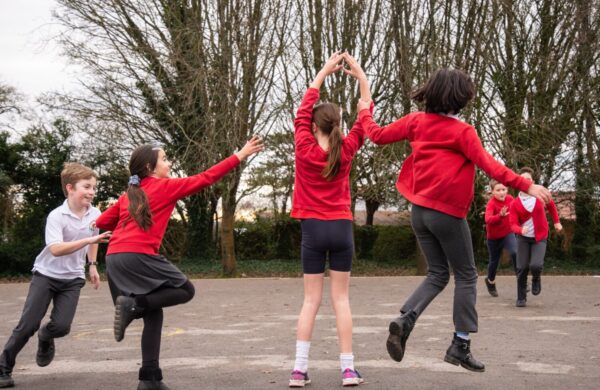
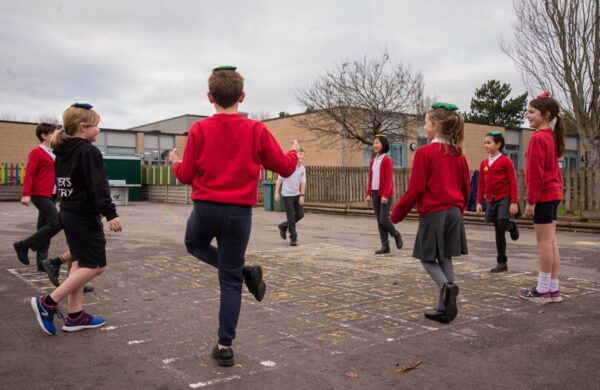
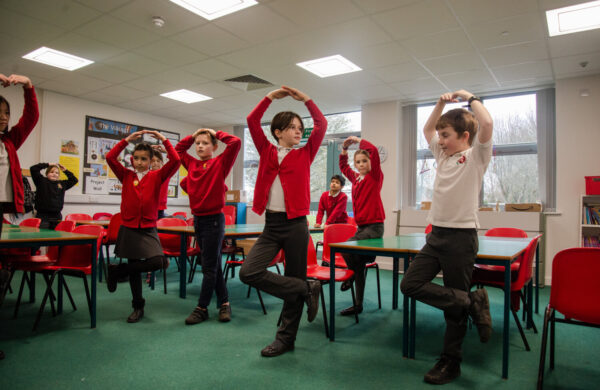
Who says school has to mean sitting at a desk all day? At Alderwood School, pupils have been getting active during lessons as a way to boost learning and help children achieve their 60 active minutes.
As part of this Test and Learn project, Energise Me funded a year’s subscription of Teach Active (an online platform with ready-to-use active lesson ideas for Maths and English) for Alderwood School, giving teachers access to a range of resources alongside training and ongoing programme support.
We chose this school because it is an all-through school for pupils aged 4 to 16, located in one of our priority areas. This gave us the opportunity to influence learning and physical activity across multiple age groups for local children and young people who may need it most.
I 100% enjoy moving in my lessons as it’s fun and it helps the learning stick better.
Pupil
One of the clearest messages from the Test and Learn so far is pupils’ enthusiasm for having opportunities to move as part of their lessons. Children enjoyed the chance to get out of their seats, describing these lessons as fun and energising. Several also felt moving helped their learning stick, too.
It’s better than sitting at our desks learning but sometimes we bump into each other as there isn’t enough space.
Pupil
For teachers, making the change hasn’t looked the same in every classroom. Some quickly felt confident bringing movement into lessons; others were less sure, or worried about fitting another thing into an already busy day. Having activities to hand is a starting point, but helping staff see how movement can support their teaching (rather than add to their workload) is important too.
At Alderwood school, the older Victorian building meant space was tight, making it tricky to get everyone moving at once. Taking lessons outside wasn’t always practical either, and access to the hall and gym was limited. Alongside finding the space, teachers had to find time to prepare. To make that easier, the school trialled a ‘grab and go’ approach, with resources prepared in advance and ready to pick up for a lesson.
Though teachers noticed some activity formats could start to feel similar over time, familiarity had an upside. Pupils increasingly knew what to do, making lessons easier to organise. As teachers grow more comfortable with the approach, they may also be able to adapt the ideas without relying on the platform every time.
I enjoy the active lessons, it helps get the information into my brain more.
Enthusiasm is obviously a great start, but there are some practical things to consider if you’re interested in bringing active learning to your classroom.
Informed by teacher feedback, here are some tips for you:
There’s plenty to feel positive about at Alderwood School: pupils enjoyed getting moving in lessons, and active SATs revision worked particularly well.
Perhaps the most significant learning is that Teach Active has started a wider conversation about how movement can become a normal part of learning rather than a separate activity. Some teachers have already begun exploring ways to introduce movement beyond Maths and English, which is very promising as the academic year continues.
With competing pressures on school budgets, it’s not yet clear whether Alderwood will be able to keep paying for the platform once the funded year ends. But if teachers can retain the ideas, confidence and routines they developed through Teach Active, the impact of it could last well beyond the subscription.
You can check out our Active Schools Toolkit if you’d like to do something similar (for free!) in your school.
Helping us tackle inactivity to boost health and happiness