Daily Activity
Daily Activity plays a key role in developing healthier schools.
Date: 9 December 2025 Author: Energise Me
Over the past three years, nine schools in Portsmouth have helped pupils and their families overcome barriers to move more. Schools received funding, training and built new relationships as part of the Opening Schools Facilities (OSF) programme.
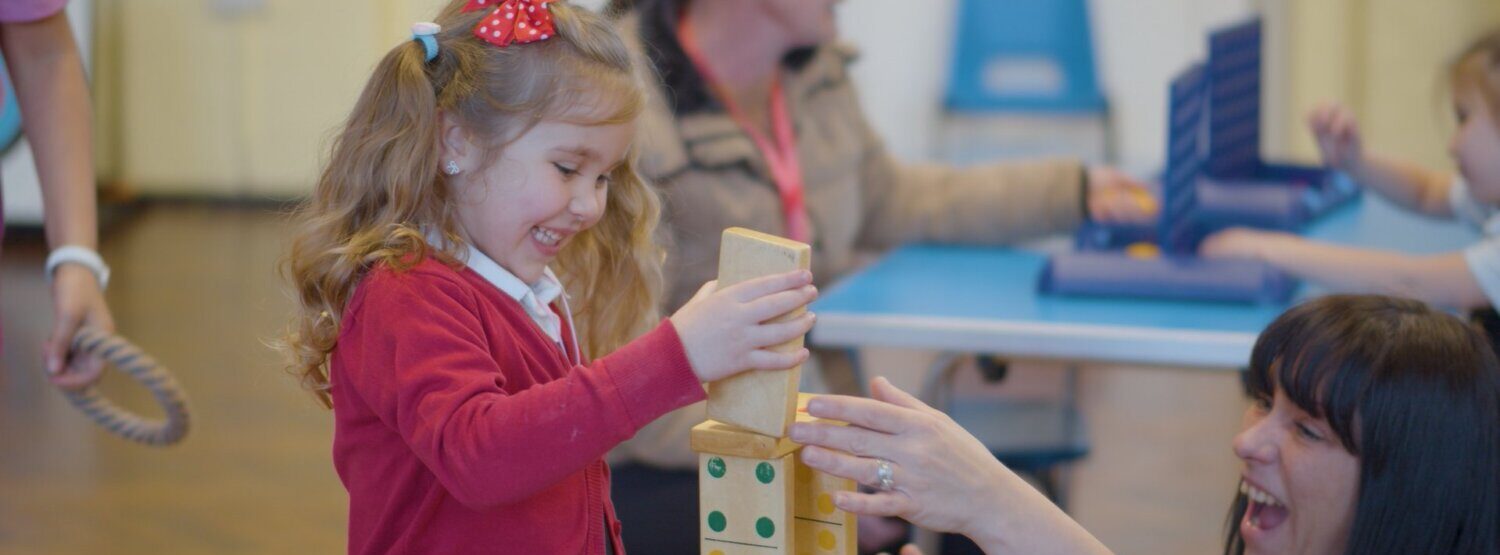
The OSF programme helped staff to receive training in a range of areas including rugby, swimming, first aid, and creative engagement techniques. As a result, pupils were able to participate in a variety of activities, from Bollywood-style dance and spin classes to tailored multi-sports sessions. OSF also supported schools in opening their doors to the wider community, giving families the chance to try football, bootcamp workouts, and indoor games.
In its third and final year, the OSF programme benefited 913 pupils and 263 community members across Portsmouth to access 770 physical activity sessions.
We knew that a lot of children in Portsmouth were having a tougher time getting active. More than half of them (53.6%) weren’t reaching the Chief Medical Officer’s recommended 60 minutes of daily physical activity. When we looked at the bigger picture, we could start to understand why this could have been.
Around 36% of children are growing up in relative poverty*. This can mean fewer opportunities to join clubs or travel to activities. On top of that, 34.3% of school-aged children are eligible for Free School Meals which is much higher than the national average (24.6%). Families facing financial hardship often have to prioritise essentials which could make things like sport kit or activity fees fall down the list.
So, it became clear that children in Portsmouth were dealing with challenges that made regular movement harder. These are what the Opening Schools Facilities programme aimed to face.
*households receive 50% less than average household incomes.
When we asked Portsmouth schools to tell us what was stopping their pupils from moving more and what communities needed to be more active, they identified that:
Our nine schools in Portsmouth tackled these challenges in different ways. We’ll soon be sharing stories about how schools in North Portsmouth and South Portsmouth worked to increase physical activity opportunities for their pupils and local communities. So keep an eye on our News & Stories page to see when those are live!
So, what can you do to better engage children and families in your after-school offer? Throughout the OSF programme, we learnt:
So, what can you do to help schools deliver additional physical activities? Throughout the OSF programme, we learnt:
If you’re interested in learning more about how OSF helped pupils to move more, we visited 3 projects to find out exactly what this programme supported schools to do. Check out the stories for: Portsdown Primary School, Baycroft School and Portchester Community School.
If you do anything differently as a result of this learning, let us know by submitting a We Can Be Active Win so we can all learn and celebrate each other!
Helping us tackle inactivity to boost health and happiness