
Date: 26 January 2026 Author: Bethany Brown
Ever wondered about the impact of school uniforms on pupils' physical activity levels? One Head Teacher and one researcher teamed up to find out...
As teachers, you’re always looking for ways to improve pupils learning environment and support their overall well-being. One innovative approach gaining traction is the introduction of active uniforms for primary aged children – a shift from traditional school uniform to comfortable, movement-friendly clothing that encourages physical activity throughout the school day.
At St Michael’s CE Junior School in Aldershot, a bold decision to introduce active uniforms has sparked a shift in how students experience activity at school. Could active uniforms be a game-changer for your school too?
Supported by the University of Winchester and Energise Me they’ve been able to capture the benefits of introducing active uniforms and what they’ve learned along the way…
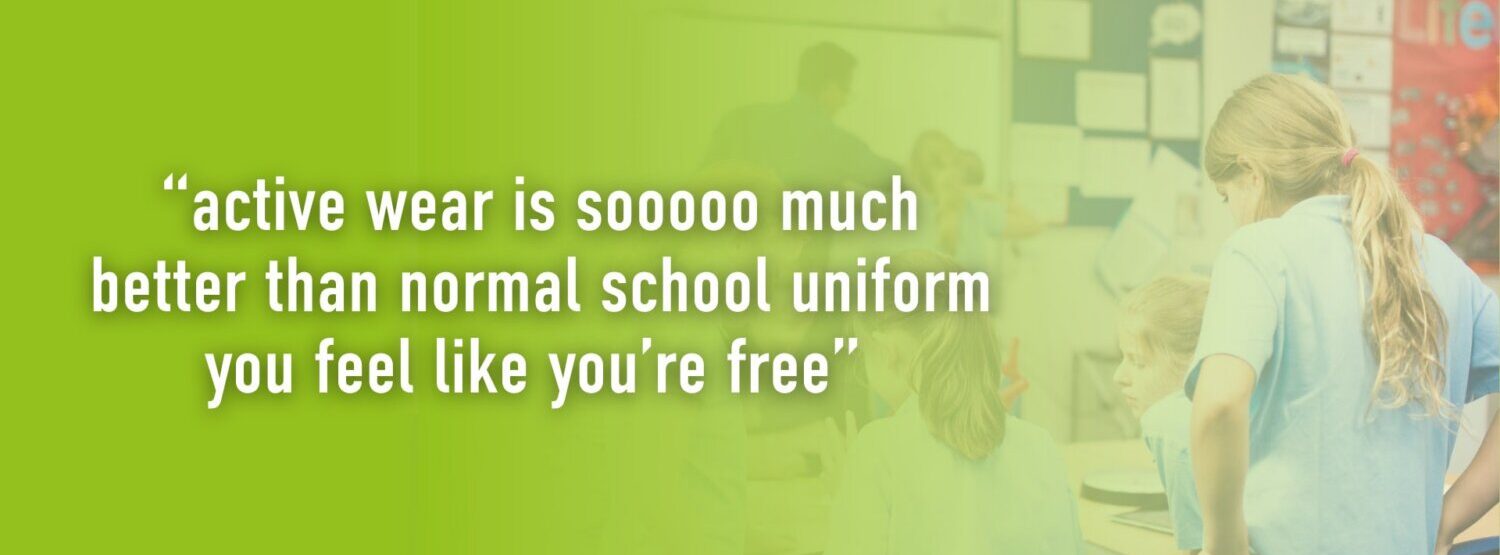
i like it because it’s comfortable and i can be more active and run around better. And the shoes make you run around better and not trip over
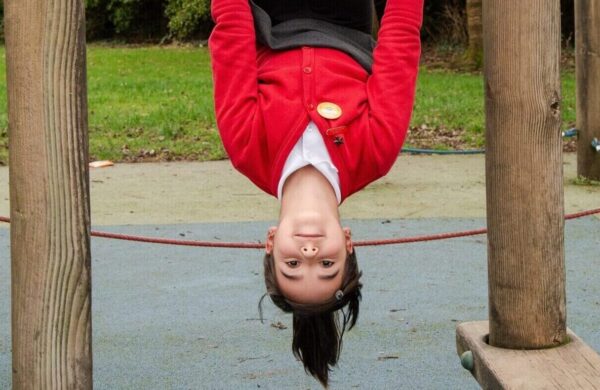
With research showing that school aged children engage in much of their physical activity through free play during school breaks, active uniforms designed for comfort and movement can enable children to run, jump, climb, and play freely.
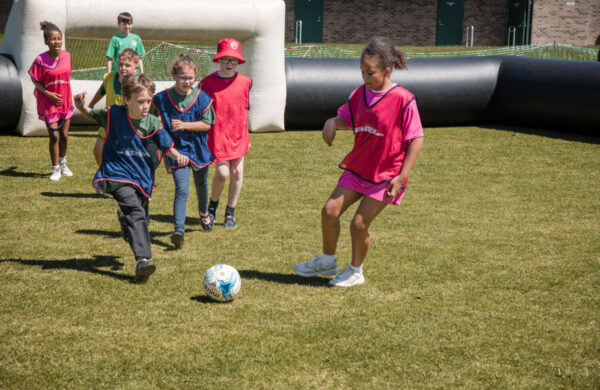
At St Michael’s, teachers observed a noticeable increase in activity levels during breaks and lunch. Children who previously avoided physical activity due to uncomfortable clothing or footwear were now playing games like football and running. This change not only improved their physical fitness but also boosted their self-esteem and social interactions.
Active uniforms can be particularly beneficial for children with additional needs. Children with sensory sensitivities, neurodiversity or hyperactivity may find active uniforms less restrictive and more conducive to their needs. Imbedding choice in the design – including allowing children to choose between shorts, skorts, leggings, or joggers – further increases inclusivity, helping every child feel comfortable and confident.
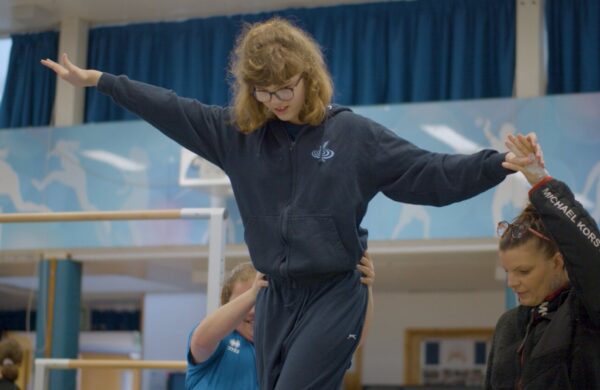
Traditional uniforms can also increase gender inequalities in physical activity, with girls facing more barriers to participation. At St Michael’s active uniform levelled the playing field, with girls reporting feeling more empowered and freer to participate in activities like football and gymnastics.
Parents also benefited from the active uniforms. They reported fewer morning tantrums, easier laundry routines, and less stress about remembering P.E. kits or extra clothing for extracurricular activities. Active uniforms make it easier for children to transition from school to after-school sports or active travel, further promoting physical activity.
If you’re considering active uniforms for your school, here are some key steps to ensure a successful transition:
Active uniforms represent a shift in mindset. By prioritising, movement, and inclusivity, schools can narrow the activity gap and create an environment where children feel free, empowered, and ready to learn. The research from St Michael’s CE Junior School, supported by Winchester University, demonstrates the potential of active uniforms to transform not only physical activity levels but also the overall school experience.
Are you ready to make the change?

Helping us tackle inactivity to boost health and happiness